
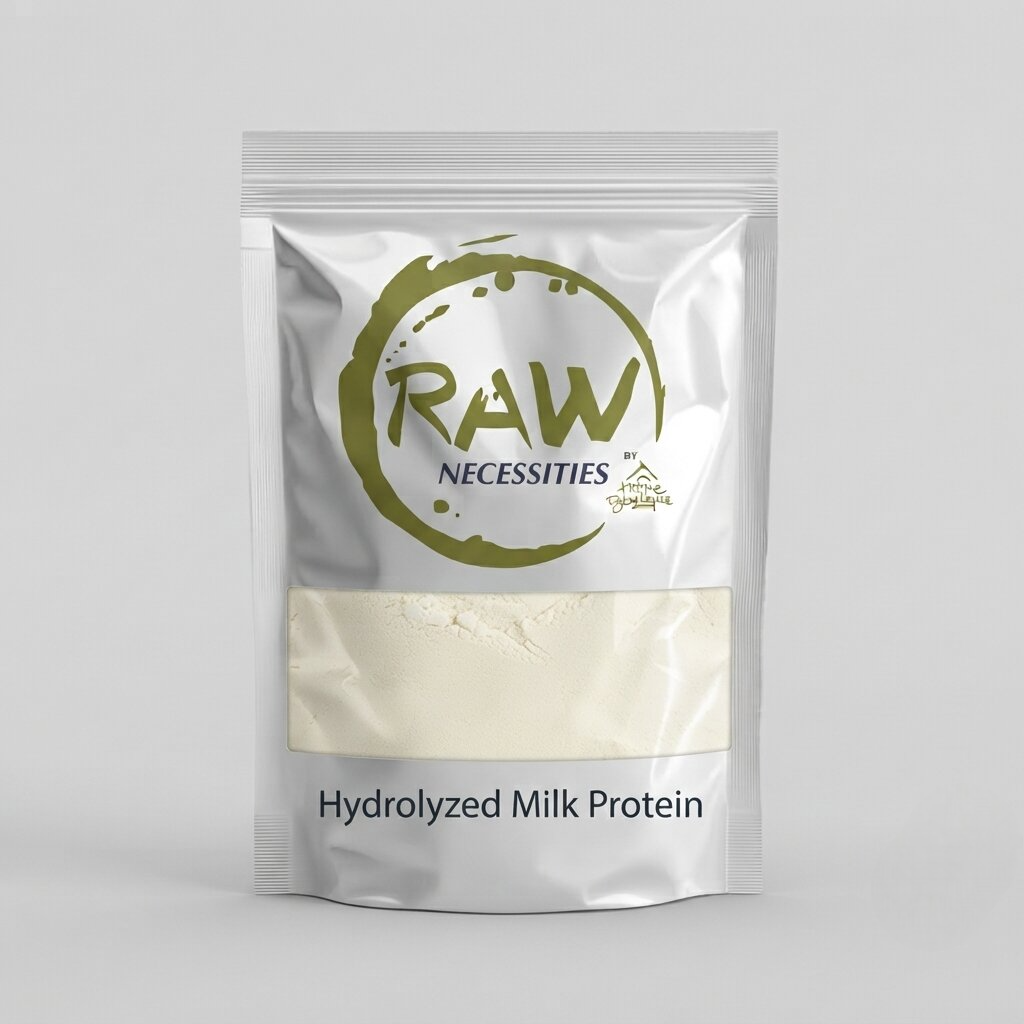
Hydrolyzed Milk Protein is a milk-derived cosmetic protein ingredient produced by hydrolyzing milk proteins into smaller peptides and protein fractions. The hydrolysis process improves the ingredient’s formulation versatility and makes it suitable for a wide range of hair care, skin care, bath and personal care products.
Hydrolyzed Milk Protein is valued for its conditioning, film-forming, moisturizing and skin-softening properties. It can help provide a smooth, soft and conditioned sensory feel to hair and skin.
It is particularly suitable for premium hair conditioners, shampoos, hair masks, moisturizing creams, lotions, facial care products and protein-enriched personal care formulations.
INCI Name
Hydrolyzed Milk Protein*
Common Names
- Hydrolyzed Milk Protein
- Milk Protein Hydrolysate
- Hydrolyzed Milk Protein Peptides
- Milk Protein Peptides
- Hydrolyzed Dairy Protein
- Milk Protein Hydrolysate
- Milk Peptides
- Hydrolyzed Casein Protein
- Hydrolyzed Whey Protein
- Cosmetic Milk Protein
Source
Source: Milk / Dairy Protein
Milk proteins may include fractions such as casein and whey proteins, depending on the manufacturing process and commercial grade.
The exact protein composition should be verified from the supplier’s technical documentation.
Ingredient Type
- Cosmetic Protein
- Hair Conditioning Agent
- Skin Conditioning Agent
- Film-Forming Agent
- Moisture-Supporting Ingredient
- Protein-Based Cosmetic Ingredient
- Hair Care Functional Ingredient
- Skin Softening Ingredient
Physical Form
Commercial Hydrolyzed Milk Protein may be supplied as:
- White to off-white powder
- Cream to pale yellow powder
- Clear to slightly yellow liquid
The physical appearance depends on the specific grade and concentration.
Solubility
Generally water soluble or water dispersible, depending on the commercial grade.
Key Benefits
1. Hair Conditioning
Helps provide a soft, smooth and conditioned feel to the hair.
2. Moisture Support
Supports a moisturized and comfortable feel in hair and skin formulations.
3. Film-Forming Properties
Hydrolyzed milk protein peptides can form a lightweight film on hair and skin, contributing to improved sensory properties.
4. Improved Hair Manageability
Useful in conditioners, shampoos and treatment products designed to support smoothness and manageability.
5. Soft & Smooth Hair Feel
Helps improve the cosmetic feel of dry, rough or coarse-feeling hair.
6. Skin Conditioning
Can help provide a soft, smooth and conditioned skin feel in creams, lotions and masks.
7. Protein-Enriched Formulations
An excellent ingredient for premium formulations featuring milk-derived proteins and peptides.
8. Versatile Personal Care Ingredient
Suitable for both rinse-off and leave-on formulations across hair care, skin care and body care.
Applications
Hair Care
- Shampoos
- Conditioning Shampoos
- Hair Conditioners
- Deep Conditioners
- Hair Masks
- Hair Treatments
- Hair Serums
- Leave-In Conditioners
- Hair Creams
- Hair Lotions
- Hair Smoothing Products
- Protein Hair Treatments
- Dry Hair Care
- Damaged-Hair Care
Skin Care
- Face Creams
- Moisturizing Creams
- Facial Lotions
- Hydrating Serums
- Face Masks
- Body Lotions
- Body Creams
- Hand Creams
- Foot Care Products
- Skin Conditioning Products
Bath & Personal Care
- Body Wash
- Shower Gel
- Liquid Hand Wash
- Liquid Soap
- Moisturizing Cleansers
- Bath Products
- Personal Care Formulations
Recommended Usage
A general cosmetic starting range is:
0.5–5%
The optimum dosage depends on:
- Protein concentration
- Degree of hydrolysis
- Molecular-weight distribution
- Powder or liquid format
- Finished product type
- Desired conditioning effect
How to Use
Powder Grade
- Weigh the required quantity accurately.
- Pre-disperse the powder in a suitable amount of water.
- Add gradually under continuous mixing.
- Allow sufficient time for hydration or dissolution.
- Add to the main formulation.
- Check final pH, appearance and viscosity.
Liquid Grade
Liquid Hydrolyzed Milk Protein can generally be incorporated into the water phase or cool-down phase, depending on the supplier’s processing instructions.
Formulation Considerations
- Suitable for many water-based cosmetic formulations.
- Add gradually under continuous mixing.
- Avoid prolonged high-temperature processing unless supported by the supplier.
- Check the recommended pH range for the specific grade.
- Evaluate compatibility with surfactants and preservatives.
- Protein ingredients can be sensitive to extreme pH conditions.
- Evaluate colour and odour contribution to the finished product.
- Conduct stability and compatibility testing before commercial production.
Compatible Cosmetic Ingredients
Hydrolyzed Milk Protein can be formulated with many commonly used cosmetic ingredients, including:
- Glycerin
- Propanediol
- Panthenol
- Hyaluronic Acid
- Sodium PCA
- Betaine
- Aloe Vera
- Niacinamide
- Amino Acids
- Botanical Extracts
- Peptides
- Ceramides
- Hydrolyzed Wheat Protein
- Hydrolyzed Soy Protein
- Hydrolyzed Keratin
- Hydrolyzed Collagen Protein
- Hydrolyzed Marine Collagen
- Other Cosmetic Proteins
Technical Information
| Property | Information |
|---|---|
| Product Name | Hydrolyzed Milk Protein |
| Standard Technical Name | Hydrolyzed Milk Protein |
| Typical INCI | Hydrolyzed Milk Protein* |
| Source | Milk / Dairy Protein |
| Ingredient Type | Milk-Derived Cosmetic Protein |
| Primary Function | Hair & Skin Conditioning |
| Secondary Functions | Film Formation & Moisture Support |
| Physical Form | Powder or Liquid, Grade Dependent |
| Appearance | White/off-white to pale yellow, grade dependent |
| Solubility | Generally water soluble/dispersible |
| Recommended Usage | Approx. 0.5–5%, grade dependent |
| Applications | Hair Care, Skin Care & Personal Care |
| Suitable Products | Shampoos, Conditioners, Masks, Creams, Lotions & Serums |
| Formulation Type | Leave-On & Rinse-Off |
Why Choose Hydrolyzed Milk Protein?
- Premium milk-derived cosmetic protein
- Suitable for hair and skin formulations
- Supports soft and conditioned hair feel
- Helps improve hair manageability
- Provides film-forming properties
- Supports moisture and skin conditioning
- Ideal for protein-enriched hair care
- Suitable for shampoos and conditioners
- Excellent for hair masks and treatments
- Suitable for creams and lotions
- Useful in premium personal care formulations
- Compatible with many other cosmetic proteins and conditioning ingredients
Important Allergen Information
Because this ingredient is milk-derived, it should be evaluated for applicable milk/dairy allergen and labeling requirements in the target market.
Do not claim milk-free, dairy-free or allergen-free unless the specific raw material and finished product have appropriate documentation and testing to support such claims.
Storage
Store in a cool, dry and well-ventilated place in the original tightly closed container.
Protect from:
- Moisture
- Direct sunlight
- Excessive heat
- Contamination
- Freezing, where applicable for liquid grades
Reviews
There are no reviews yet.