
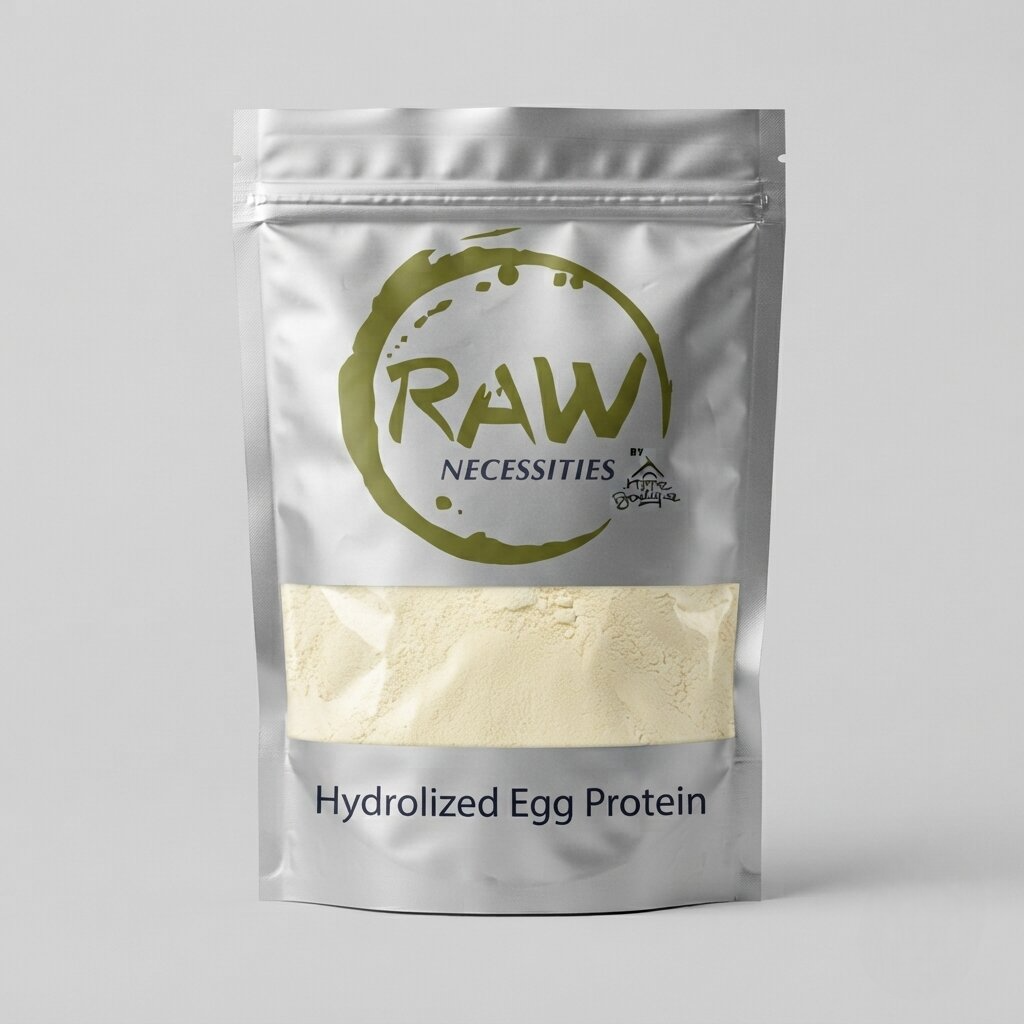
Hydrolized Egg Protein is a protein-derived cosmetic ingredient produced by enzymatic or chemical hydrolysis of egg proteins into smaller peptides and amino-acid-containing fractions. Hydrolysis improves its suitability for cosmetic formulations and helps provide conditioning, moisturizing, film-forming and hair-care benefits.
Hydrolyzed Egg Protein is particularly suitable for shampoos, conditioners, hair masks, hair treatments, hair serums, creams, lotions and other personal-care formulations where protein-based conditioning and improved hair feel are desired.
It can help improve the softness, smoothness, manageability and conditioned feel of hair while also contributing to skin-conditioning properties in suitable formulations.
INCI Name
Hydrolyzed Egg Protein
The exact INCI should always be confirmed against the supplier’s TDS/COA because the final INCI can vary according to the specific egg-protein source and hydrolysis process.
Common Names
- Hydrolized Egg Protein
- Hydrolyzed Egg Protein
- Egg Protein Hydrolysate
- Hydrolyzed Egg Protein Powder
- Egg Protein
- Egg Protein Peptides
- Hydrolyzed Protein
- Cosmetic Egg Protein
- Egg-Derived Protein
- Protein Cosmetic Ingredient
Ingredient Type
- Hair Conditioning Agent
- Skin Conditioning Agent
- Film-Forming Agent
- Moisturizing Ingredient
- Protein-Based Cosmetic Ingredient
- Hair Care Active
- Cosmetic Conditioning Protein
Physical Form
Depending on the commercial grade, Hydrolyzed Egg Protein may be supplied as a white to off-white powder or as a clear to slightly yellowish liquid.
Appearance can vary according to the source material, degree of hydrolysis, concentration and manufacturing process.
Solubility
Generally water soluble or readily dispersible in water, depending on the commercial grade.
Key Benefits
1. Hair Conditioning
Helps improve the softness, smoothness and overall conditioned feel of hair.
2. Hair Manageability
Can help improve manageability and make hair easier to comb and style.
3. Film-Forming Properties
Hydrolyzed protein can form a lightweight film on the hair surface, contributing to a smoother and more conditioned feel.
4. Moisture Support
Helps support moisture retention and can complement humectants and other moisturizing ingredients in hair and skin formulations.
5. Soft & Smooth Hair Feel
Useful in formulations designed for dry, rough or damaged-feeling hair.
6. Protein-Enriched Hair Care
Ideal for protein-focused hair-care concepts such as strengthening, repair-care and conditioning formulations.
7. Skin Conditioning
Can contribute to a soft and conditioned skin feel when used in appropriate cosmetic formulations.
8. Improved Cosmetic Sensory Profile
Can enhance the feel and conditioning characteristics of shampoos, conditioners, masks and other personal-care products.
Applications
Hair Care
- Shampoos
- Conditioning Shampoos
- Hair Conditioners
- Deep Conditioners
- Hair Masks
- Hair Treatments
- Hair Creams
- Leave-In Conditioners
- Hair Serums
- Hair Smoothing Products
- Dry Hair Care
- Damaged Hair Care
- Protein Hair Treatments
- Scalp Care Formulations
Skin Care
- Face Creams
- Moisturizing Lotions
- Skin Conditioning Creams
- Facial Masks
- Body Lotions
- Body Creams
- Hand Creams
- Foot Care Products
- Skin Conditioning Serums
Bath & Personal Care
- Body Wash
- Shower Gel
- Liquid Soap
- Hand Wash
- Bath Products
- Conditioning Cleansers
- Personal Care Formulations
Recommended Usage
A general cosmetic starting range is approximately:
0.5–5%
The optimum dosage depends on the commercial concentration, degree of hydrolysis, protein content, molecular-weight distribution and formulation type.
Some concentrated grades may be used at lower levels. Always follow the manufacturer’s TDS for the exact product.
How to Use
Powder Grade
- Measure the required quantity of Hydrolyzed Egg Protein.
- Pre-dissolve the powder in a suitable quantity of water.
- Mix continuously until uniformly dissolved or dispersed.
- Add to the main formulation.
- Avoid unnecessary prolonged heating.
- Check final pH and viscosity.
Liquid Grade
The liquid material can generally be incorporated into the water phase or cool-down phase, depending on the supplier’s processing instructions.
Formulation Considerations
- Add gradually to prevent clumping when using powder grades.
- Avoid excessive heat and prolonged heating.
- Check compatibility with the formulation’s pH.
- Evaluate compatibility with surfactants and preservatives.
- Protein ingredients can be sensitive to extreme pH conditions.
- Final viscosity, colour and odour should be evaluated after incorporation.
- Conduct stability testing before commercial production.
Compatibility
Hydrolyzed Egg Protein can be formulated alongside many commonly used cosmetic ingredients, including:
- Glycerin
- Propanediol
- Panthenol
- Hyaluronic Acid
- Sodium PCA
- Betaine
- Aloe Vera
- Amino Acids
- Botanical Extracts
- Niacinamide
- Peptides
- Hydrolyzed Collagen Protein
- Hydrolyzed Wheat Protein
- Hydrolyzed Silk Protein
- Hydrolyzed Keratin
- Other Cosmetic Proteins
Compatibility should be evaluated in the finished formulation, especially in systems containing strong acids, alkalis, high electrolyte levels or highly reactive ingredients.
Technical Information
| Property | Information |
|---|---|
| Product Name | Hydrolized Egg Protein |
| Standard Technical Name | Hydrolyzed Egg Protein |
| Typical INCI | Hydrolyzed Egg Protein* |
| Ingredient Type | Protein-Based Cosmetic Ingredient |
| Primary Function | Hair & Skin Conditioning |
| Secondary Functions | Film Formation & Moisture Support |
| Physical Form | Powder or Liquid, Grade Dependent |
| Appearance | White/off-white powder or clear to slightly yellow liquid, grade dependent |
| Solubility | Generally water soluble/dispersible |
| Recommended Usage | Approx. 0.5–5%, grade dependent |
| Applications | Hair Care, Skin Care & Personal Care |
| Product Types | Shampoo, Conditioner, Hair Mask, Serum, Cream, Lotion |
| Source | Egg Protein |
| Formulation Type | Leave-On & Rinse-Off |
*Exact INCI, protein content, concentration, molecular-weight distribution, preservation system and specifications should be confirmed from the supplier’s TDS/COA.
Why Choose Hydrolized Egg Protein?
- Protein-rich cosmetic ingredient
- Excellent for hair-conditioning formulations
- Helps improve hair softness and smoothness
- Supports better hair manageability
- Useful for protein-focused hair-care products
- Provides film-forming properties
- Suitable for skin-conditioning formulations
- Compatible with a broad range of cosmetic ingredients
- Suitable for both rinse-off and leave-on products
- Ideal for premium hair and personal-care formulations
Storage
Store in a cool, dry place in a tightly closed container.
Protect from:
- Moisture
- Direct sunlight
- Excessive heat
- Humidity
- Contamination
Reviews
There are no reviews yet.