
Keraton is a professional hair-care ingredient designed for the development of advanced conditioning, smoothing, strengthening and hair-treatment formulations.
It can be incorporated into cosmetic hair-care products intended to improve the appearance, softness, smoothness, manageability and overall cosmetic feel of the hair. Keraton is particularly suitable for premium hair-care concepts focused on keratin care, damaged-hair care, frizz control and intensive conditioning.
Its versatility makes it suitable for use in a variety of professional and consumer hair-care products, including hair masks, conditioners, treatment creams, smoothing products, hair serums and salon-oriented formulations.
INCI Name
Supplier / Grade Dependent
The exact INCI declaration should be taken from the manufacturer’s official technical documentation.
Common Names
- Keraton
- Keraton Hair Care Ingredient
- Keratin Hair Ingredient
- Keratin Treatment Ingredient
- Hair Conditioning Ingredient
- Hair Smoothing Ingredient
- Hair Repair Ingredient
- Hair Treatment Active
- Professional Hair Care Ingredient
- Keratin Care Ingredient
- Hair Conditioning Raw Material
Ingredient / Functional Type
- Hair-care active
- Hair-conditioning ingredient
- Keratin-focused cosmetic ingredient
- Hair-smoothing ingredient
- Hair-treatment ingredient
- Hair-repair formulation ingredient
- Protein-care ingredient*
- Professional salon ingredient
*Only use a protein/keratin-specific claim when supported by the exact grade documentation.
Key Functions & Benefits
1. Hair Conditioning
Helps develop formulations that provide a softer, smoother and more conditioned hair feel.
2. Smoothing Support
Useful in cosmetic products designed to improve the appearance and manageability of frizzy, rough or difficult-to-manage hair.
3. Hair Manageability
Can support formulations designed to improve combability, styling and overall manageability.
4. Intensive Hair Care
Suitable for premium hair-treatment concepts intended for dry, rough or cosmetically damaged-looking hair.
5. Keratin-Focused Formulations
Can be incorporated into keratin-care and protein-care product concepts when supported by the specific grade.
6. Professional Hair Care
Well suited for the development of salon-inspired and professional hair-treatment products.
Hair Care Applications
Hair Conditioning
Suitable for:
- Hair conditioners
- Deep conditioners
- Intensive conditioners
- Leave-in conditioners
- Conditioning creams
- Hair softening treatments
Hair Treatment
Suitable for:
- Hair treatment creams
- Hair masks
- Hair repair treatments
- Hair spa formulations
- Intensive hair treatments
- Professional salon treatments
- Post-treatment hair-care products
Hair Smoothing
Can be used in formulations designed for:
- Hair smoothing
- Frizz control
- Manageability
- Smooth hair appearance
- Soft-feel hair products
- Anti-frizz cosmetic products
Keratin & Protein Care
Suitable for:
- Keratin-focused hair treatments
- Protein-care formulations
- Hair strengthening concepts
- Damaged-hair care
- Dry-hair treatment products
Suitable Product Types
| Product Type | Suitability |
|---|---|
| Hair Conditioner | ✓ |
| Deep Conditioner | ✓ |
| Hair Mask | ✓ |
| Hair Treatment Cream | ✓ |
| Hair Repair Treatment | ✓ |
| Hair Smoothing Product | ✓ |
| Anti-Frizz Product | ✓ |
| Leave-In Conditioner | ✓ |
| Hair Serum | Grade Dependent |
| Hair Cream | ✓ |
| Hair Spa Product | ✓ |
| Professional Salon Treatment | ✓ |
| Keratin Treatment | Grade Dependent |
| Shampoo | Grade Dependent |
| Hair Styling Product | Grade Dependent |
Recommended Usage
Follow the supplier’s recommended dosage for the exact Keraton grade.
Because Keraton is a trade/product name, a universal dosage cannot be assigned safely without knowing its composition.
The final usage level should be determined based on:
- Active concentration
- Product type
- Desired hair feel
- Finished-product viscosity
- Formulation pH
- Compatibility with other ingredients
- Supplier recommendations
- Stability testing
How to Use
The processing method depends on the specific Keraton grade.
General Formulation Procedure
- Review the manufacturer’s TDS for recommended processing conditions.
- Measure the required quantity of Keraton.
- Add it according to the recommended phase or incorporation method.
- Mix thoroughly until evenly distributed.
- Add compatible hair-care actives as required.
- Check and adjust final pH where appropriate.
- Evaluate viscosity, appearance, odour and stability.
- Conduct finished-product testing before commercial production.
Compatible Hair Care Ingredients
Depending on the exact grade, Keraton may be formulated with selected:
- Hydrolyzed Keratin Protein
- Hydrolyzed Wheat Protein
- Hydrolyzed Rice Protein
- Hydrolyzed Silk Protein
- Hydrolyzed Oat Protein
- Hydrolyzed Quinoa Protein
- Hydrolyzed Collagen
- Panthenol
- Glycerin
- Hyaluronic Acid
- Amino acids
- Conditioning polymers
- Cationic conditioning agents
- Cosmetic silicones
- Hair oils
- Botanical extracts
- Humectants
- Hair-conditioning agents
Formulation Considerations
Before commercial production, evaluate:
- Final pH
- Viscosity
- Appearance
- Odour
- Hair conditioning
- Wet combability
- Dry combability
- Hair feel
- Frizz-control performance
- Thermal stability
- Long-term stability
- Microbiological stability
- Preservative compatibility
- Packaging compatibility
Product Information
| Property | Details |
|---|---|
| Product Name | Keraton |
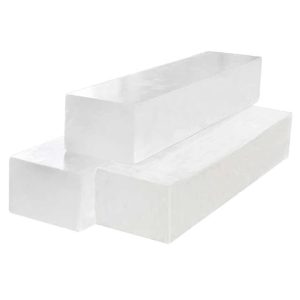
| Product Type | Hair Care Ingredient |
| Primary Application | Hair Care |
| Functional Class | Conditioning / Smoothing / Treatment |
| INCI | Supplier / Grade Dependent |
| CAS Number | Supplier / Grade Dependent |
| Chemical Composition | Grade Dependent |
| Physical Form | Grade Dependent |
| Colour | Grade Dependent |
| Odour | Grade Dependent |
| Solubility | Grade Dependent |
| Recommended Usage | Supplier TDS Dependent |
Storage
- Store according to the manufacturer’s recommended conditions.
- Keep the container tightly closed.
- Protect from direct sunlight and excessive heat.
- Protect from moisture and contamination.
- Use clean and dry equipment during handling.
- Avoid repeated unnecessary opening of the container.
- Follow the supplier’s SDS/TDS for specific storage requirements.
Reviews
There are no reviews yet.